01
A structure is a set of interfaces
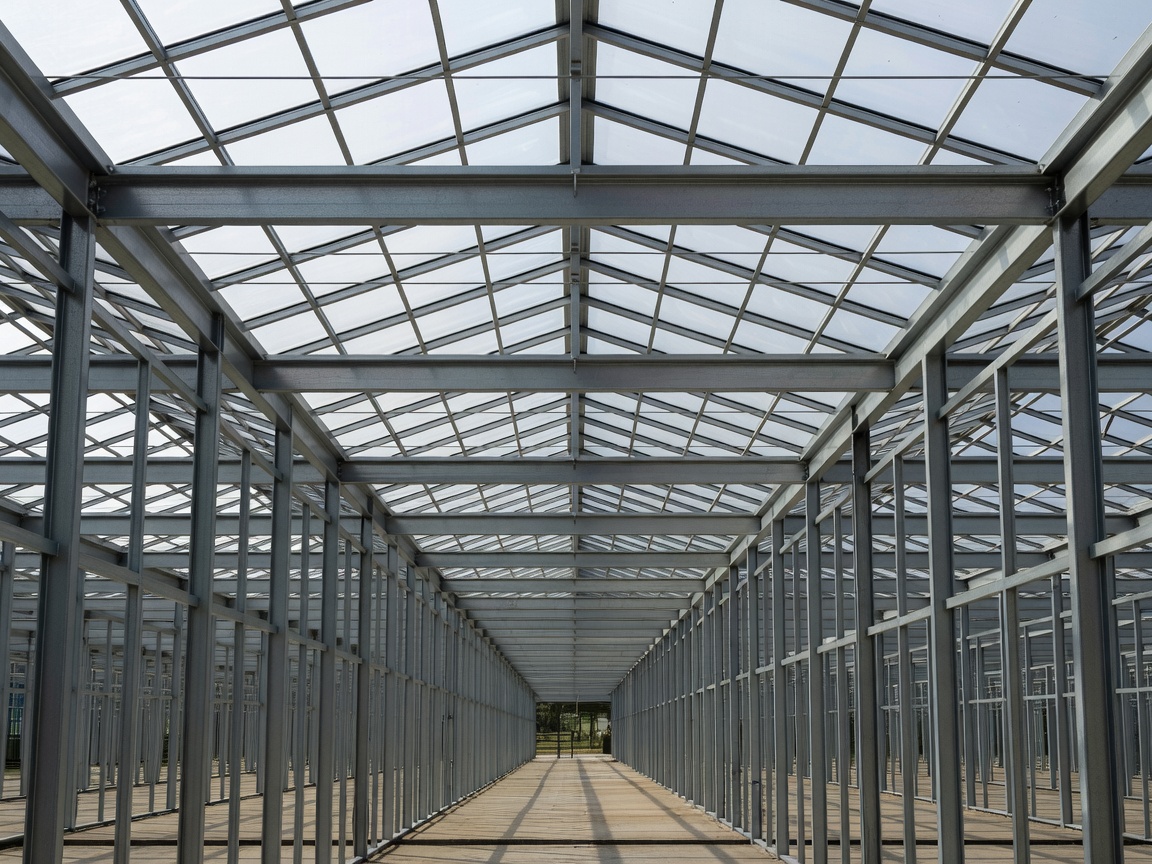
Compare framing, coverings, ventilation openings and foundation assumptions before asking for a complete equipment package.
Read the structure guide →Cultivation works / An independent engineering guide
A smart greenhouse is not a controller attached to a building. It is an integrated manufactured system: enclosure, water, climate and automation designed to work together.
Examine the structure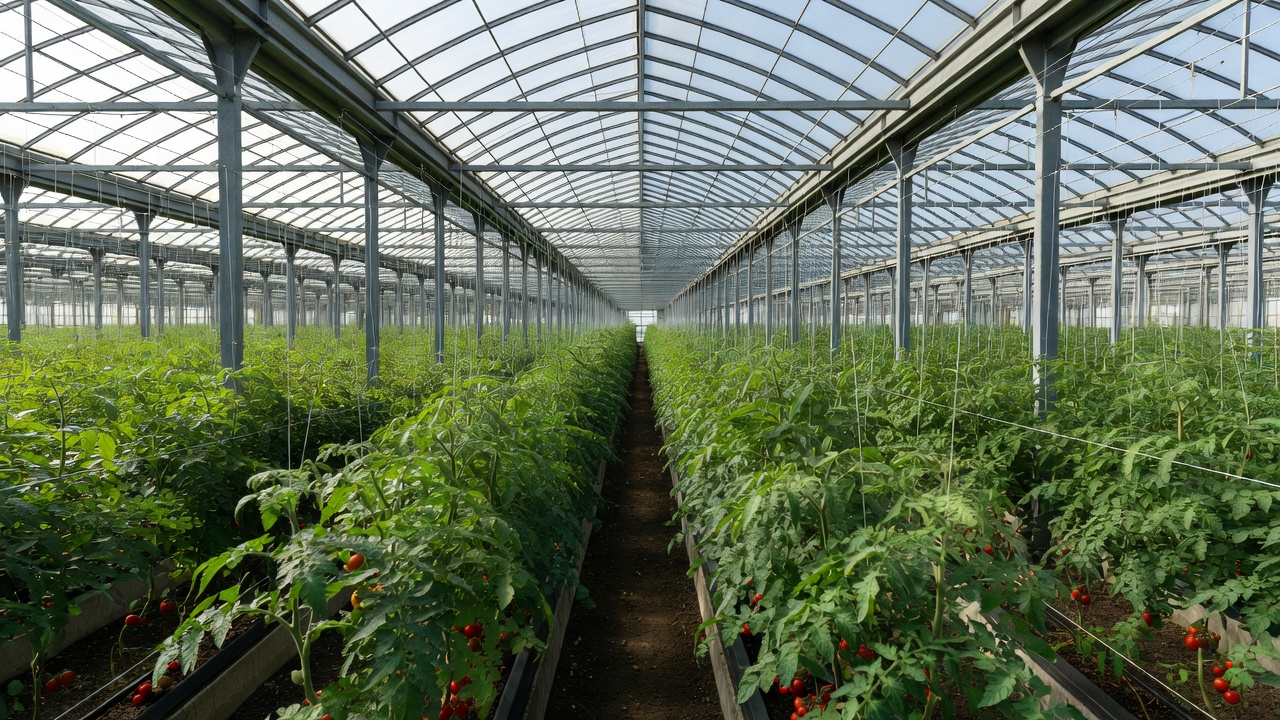
01 / Start with the whole system
Every opening, service route and material choice changes what the growing environment can do. Start by defining the operating conditions, not by collecting equipment.
Photograph illustrates a growing space, not a verified automation installation.
Specify the shell as a working part of production, with maintenance and local conditions in view.
Compare framing, coverings, ventilation openings and foundation assumptions before asking for a complete equipment package.
Read the structure guide →Coverings, seals and moving parts will need attention. Access is an engineering requirement, not a later convenience.
Wind, snow, drainage, ground conditions and local permissions belong in the design basis. A generic greenhouse drawing is not a site-specific structural check.
Compare envelope decisions →Climate and irrigation interact through the crop, the air and the drainage network.
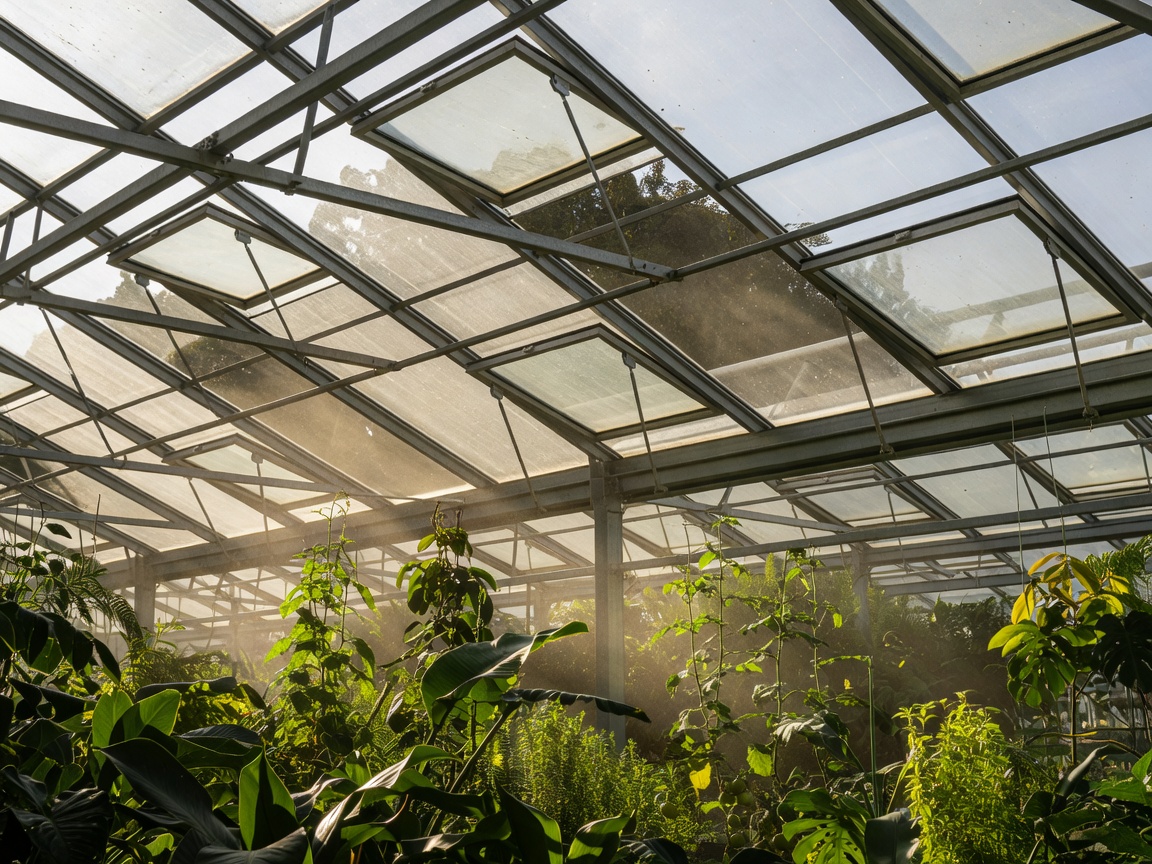
Ventilation, heating, screens and air movement have to cooperate rather than fight each other.
Explore climate decisions →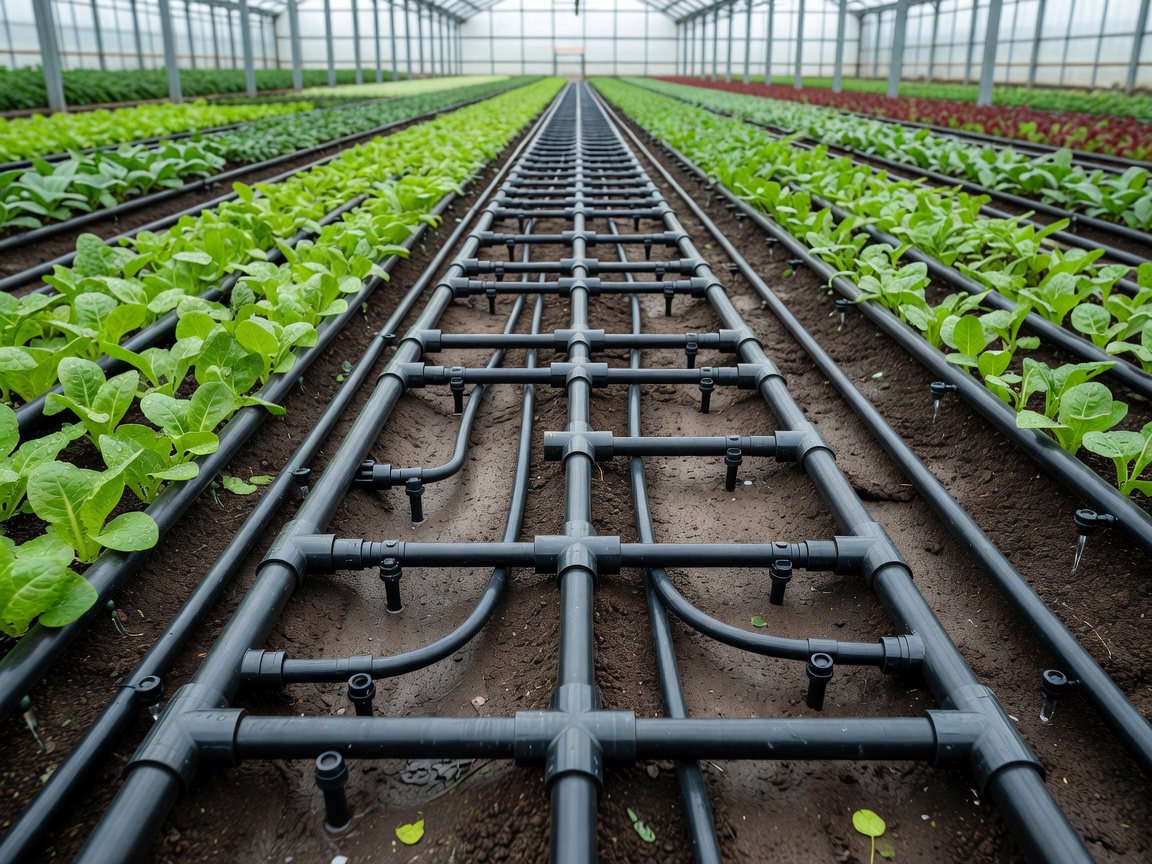
Source quality, dosing, distribution and recovery determine what irrigation equipment must handle.
Follow the water path →From measurement to verified action
Explain what is measured, what decision follows, which device acts and how a person knows it worked. Specify safe behavior when any link is lost.
Trace the control loop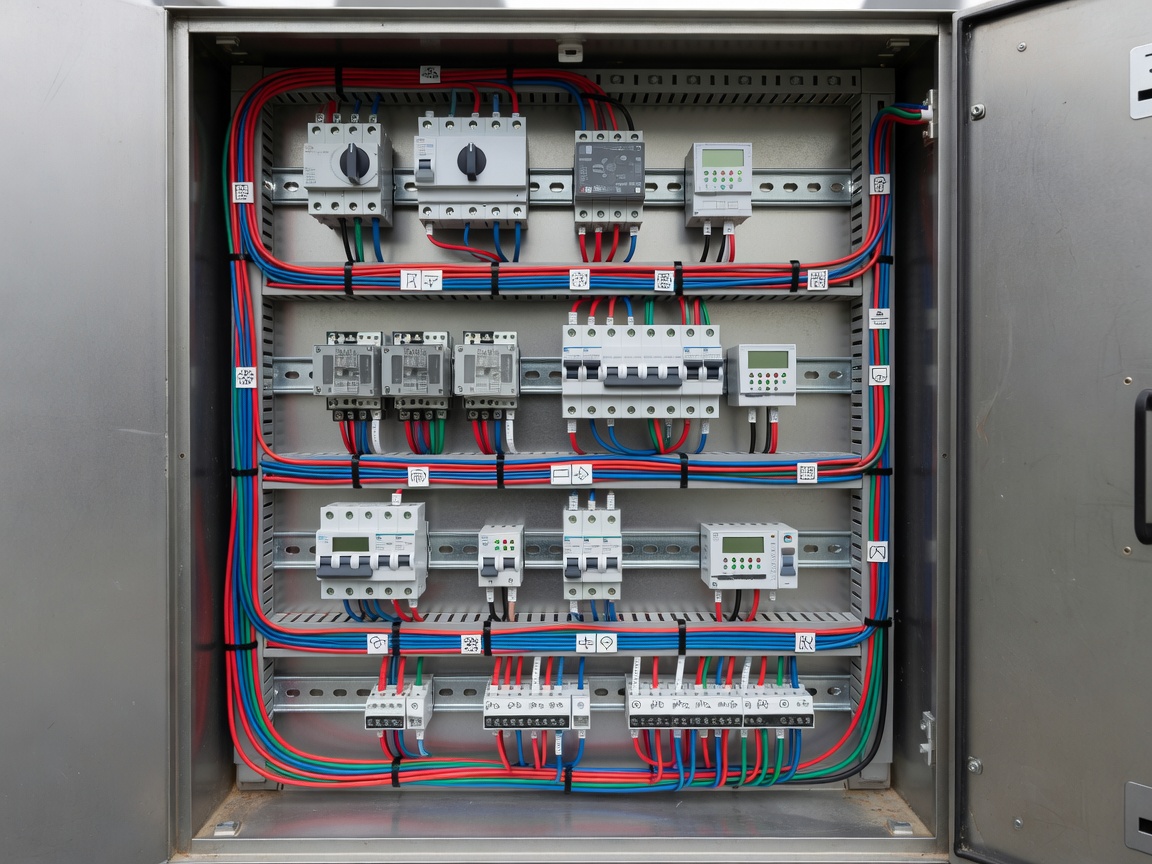
Before routine production
Commissioning demonstrates that the assembled system meets an agreed specification. It does not establish a universal yield promise.
Build a commissioning plan →No. Automation can improve repeatability and visibility, but crop outcomes also depend on plant material, agronomy, disease pressure, weather and management.
Often, but assess the structure, electrical capacity, actuator condition, water circuit and ventilation behavior before adding controls.
A written design basis: site conditions, crop process, operating objectives, utility constraints and clear responsibility for system interfaces.
Cookies on this site Essential cookies keep this site working. Optional ones help us see what is useful. You can change your choice at any time. Cookie policy